


Event Date
Mathematical Modeling of Human Physiology: From Cardiovascular Dynamics to Decompression Sickness
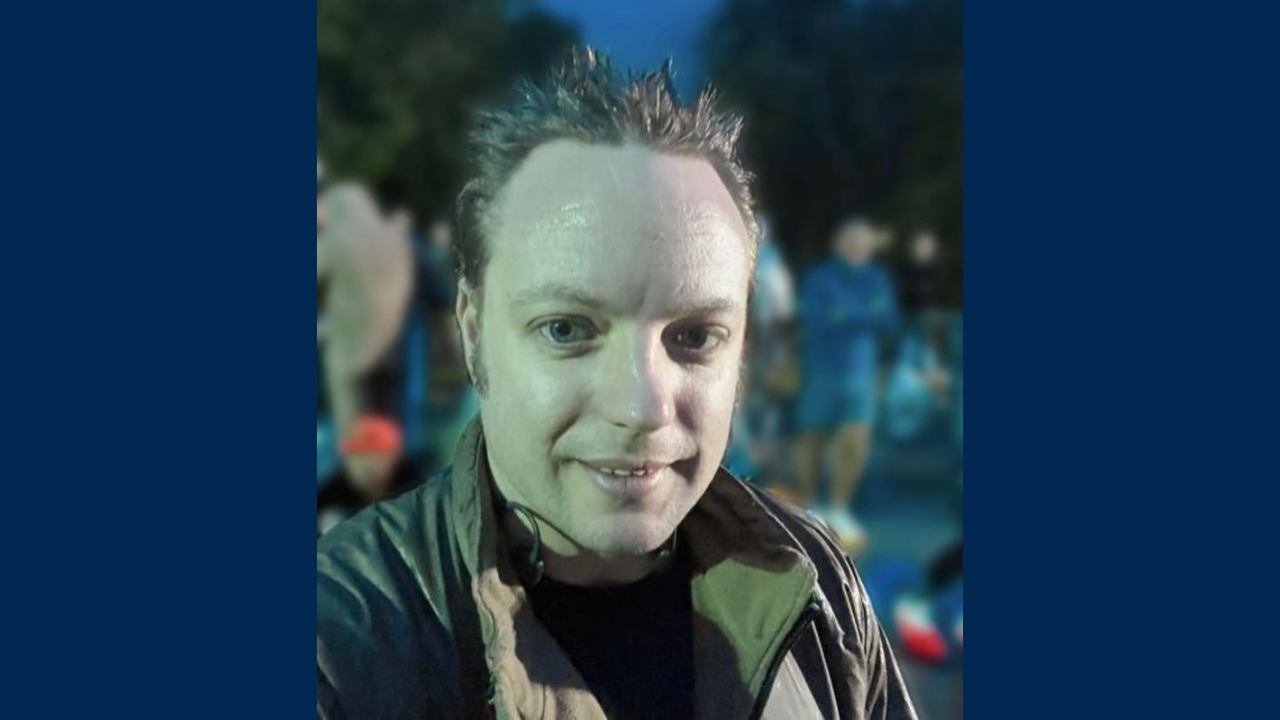
Rich Whittle, UC Davis Mechanical and Aerospace Engineering Department
Abstract
How can a small set of equations capture the behavior of a complex physiological system? This seminar explores how mathematical models help us investigate human physiology, interpret experimental observations, and make predictions under extreme environmental conditions. Beginning with lumped parameter models and their relationship to electrical circuits, we will explore analogies between pressure and voltage, flow and current, and vascular compliance and capacitance. These concepts are then applied to the cardiovascular system to describe how the heart and circulation interact. Engineering control theory provides the next step: incorporating physiological feedback through mathematical models of the autonomic nervous system. An applied example involving respiratory physiology and oxygen delivery systems in fast jet aviation illustrates how models can connect human responses with equipment performance and environmental demands. The focus then shifts to models that represent physiological behavior without mapping directly onto anatomical structures. Scuba diving decompression models provide an example, with Bühlmann's ZHL-16C tissue compartments, M-values, and gradient factors commonly used in recreational and technical dive computers to describe hyperbaric inert gas exchange and calculate decompression profiles. The discussion then extends to hypobaric exposure through bubble growth models, exploring how deterministic predictions of decompression stress can inform assessments of operational risk.
Bio
Dr. Rich Whittle is an Assistant Professor in the Department of Mechanical and Aerospace Engineering at the University of California, Davis, and Principal Investigator of the Bioastronautics and eXploration Systems (BXS) Laboratory within the UC Davis Center for Space Exploration Research. His research focuses on modeling, quantifying, and engineering human performance in spaceflight. His work integrates physiology, systems engineering, and computation to address operational risks in human space exploration, including decompression sickness, cardiovascular adaptation, and mission decision support. Dr. Whittle received his PhD in Aerospace Engineering from Texas A&M University (2023), where his research examined the effects of altered gravity and countermeasures on cardiovascular and ocular hemodynamics, including implications for spaceflight-associated neuro-ocular syndrome (SANS). He holds an MSc in Astronautics and Space Engineering from Cranfield University and an MA/MEng in Engineering from the University of Cambridge. He also completed postgraduate study in strategic management and leadership. Prior to academia, he served as a British Army Officer (2009–2023) with The Parachute Regiment and the Corps of Royal Engineers.