


Event Date
Abstract
Americans are increasingly exposed to elevated air pollution from wildfire smoke. Health impacts of wildfire smoke will be significant absent intervention; more than 700,000 excess deaths may occur in the coming three decades if we do not take action to reduce exposure to smoke. In this presentation, I’ll discuss three aspects of indoor environments that require further research to allow for more effective interventions. First, I’ll discuss how indoor air monitoring networks are essential to understanding smoke infiltration, air cleaning, and for informing exposure using a novel dataset of over 800 indoor air monitors in homes in the Los Angeles region. Second, I’ll discuss how new strategies for air cleaning may help ensure broad access to filtration during emergencies, and how new methods for testing air cleaners under wildfire smoke conditions can improve understanding of the role and impact for gas-phase air cleaning. Finally, I’ll present results of several studies that advance our understanding of how smoke events can create persistent reservoirs of pollutants on surfaces inside buildings, and how these reservoirs might be addressed both during and after the smoke event ends. Ultimately, interventions to reduce exposure to wildfire smoke require a holistic approach that integrates monitoring, air cleaning, and proactive strategies to remediate (or prevent) the chemical legacy of smoke left behind on indoor surfaces.
Speaker Bio
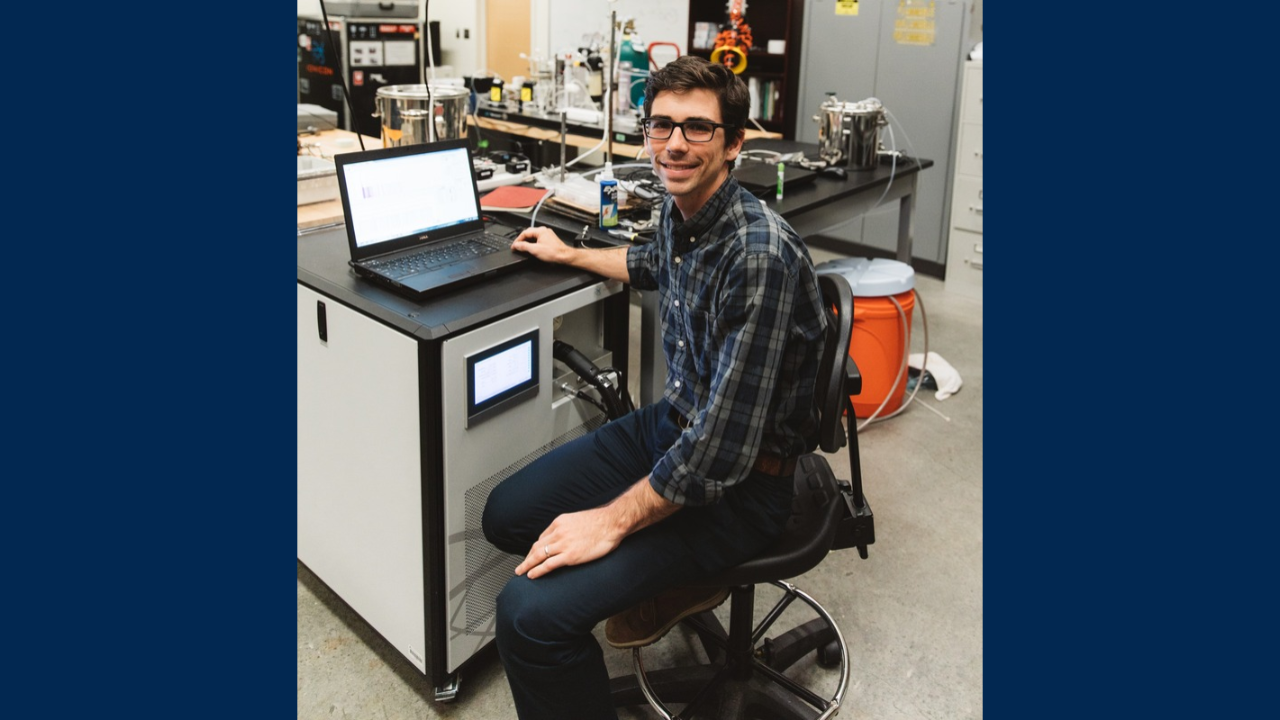
Dr. Elliott Gall is an Associate Professor at Portland State University (PSU) in the department of Mechanical and Materials Engineering. He received his B.S.E. in Environmental Engineering from the University of Florida and his Ph.D. in Civil Engineering from the University of Texas at Austin. At PSU, Dr. Gall leads the Healthy Buildings Research Laboratory (www.pdx.edu/healthy-buildings), where he and his research team conduct fundamental and applied research exploring causes of, and solutions to, exposure to air pollution inside buildings. Current research areas include characterizing indoor sources of organic compounds, developing mitigation methods for reducing air pollution exposures during and after wildfires, and evaluation of air cleaning technologies. Gall’s research has been supported by federal, state, and local agencies, including the National Science Foundation, the U.S. EPA, the Alfred P. Sloan Foundation, ASHRAE, NAFA, and the American Lung Association.