


Graduate Education For a Better Tomorrow
At UC Davis, graduate engineers pursue advanced study and meaningful research that can help shape a better tomorrow. With 11 graduate programs spanning engineering, computing, energy, transportation and more, you’ll have opportunities to work alongside leading faculty and find a degree aligned with your academic and career goals.
Applications for the next academic year open in September. Priority application deadlines vary by program, from Dec. 1 to Jan. 15.
Applications for the next academic year open in September. Priority application deadlines vary by program, from Dec. 1 to Jan. 15.
Meet our Graduate Students

State Grants Support UC Davis Students’ Research in Precision Medicine and Health Equity
Two M.D./Ph.D. students with a biomedical engineering focus have been awarded grants from the California Initiative to Advance Precision Medicine. The grants support leading-edge research aimed at improving patient care and advancing health equity.

How Mentorship in the UC Davis Medical Device Development Program Shapes Careers
Through clinical shadowing, hands-on engineering and industry collaboration, two graduate students share how clinicians, engineers and industry professionals have equipped them with the necessary tools to take a medical device from idea to a clinical application advancing human health.

Building ‘Tiny Homes’ for the Future of Food
Fungi and yeast as architects for cultured meat? Ph.D. candidate Begum Koysuren engineers living scaffolds that allow cells to attach, grow and organize naturally. Her work could transform how we produce sustainable food — by letting nature do what it does best.

Blog: Inside the UC Davis Medical Device Development Graduate Program — A Student’s Experience at MD&M West
Martin Croshaw, a student in the new Master of Engineering in Medical Device Development program, explores how his experience at the West Coast’s largest manufacturing event builds on the technical expertise and leadership skills he’s gaining in the classroom.

How Grace Algeo is Building Smarter Systems for Modern Farming
Between her biological systems engineering research and her job as assistant grower at Gotham Greens, aka her “living lab,” master's student Grace Algeo is focused on developing practical tools that support growers, strengthen sustainability efforts and point toward a more resilient future for agriculture.
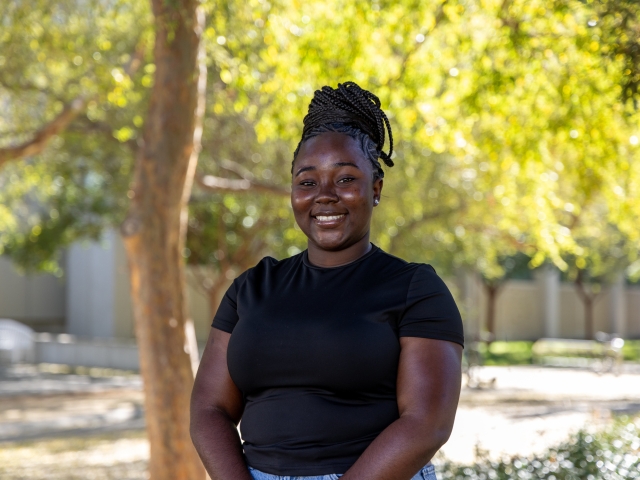
Blog: From Ghana to UC Davis, Bridging Global Gaps in Materials Science Research and Education
In a recent letter to the editor of ACerS Bulletin, Petrina Okrah reflects on her unique perspective as an international student and how early access to mentorship and resources could help passionate scientists discover and realize their potential sooner.
What Is Graduate School?
Learn how graduate education works, what you can expect as a graduate student, and how to choose between a master’s or doctoral degree.