Blog: How Hands-On Clinical Experience Shaped My Path in Biomedical Engineering

My name is Talia Lemmons, and I am a third-year undergraduate student studying biomedical engineering. Coming to the University of California, Davis, I had a clear goal in my mind: I wanted my professional career to focus on directly changing people’s lives. This mindset led me to the Quarter at Aggie Square Experiences, specifically “Biomedical Engineering at UC Davis Health.”
This program transformed my understanding of medical devices in healthcare and helped me decide on the direction I want to pursue in biomedical engineering.
What the Quarter at Aggie Square Experience Offers Biomedical Engineering Students
"Biomedical Engineering at UC Davis” is a program that offers students exposure to a clinical environment, where they can see medical devices in action and learn the process of bringing them to market. It is offered every fall quarter and is based at Aggie Square in Sacramento, an innovation district that fosters learning and entrepreneurship for not only students and faculty, but also the nearby community.
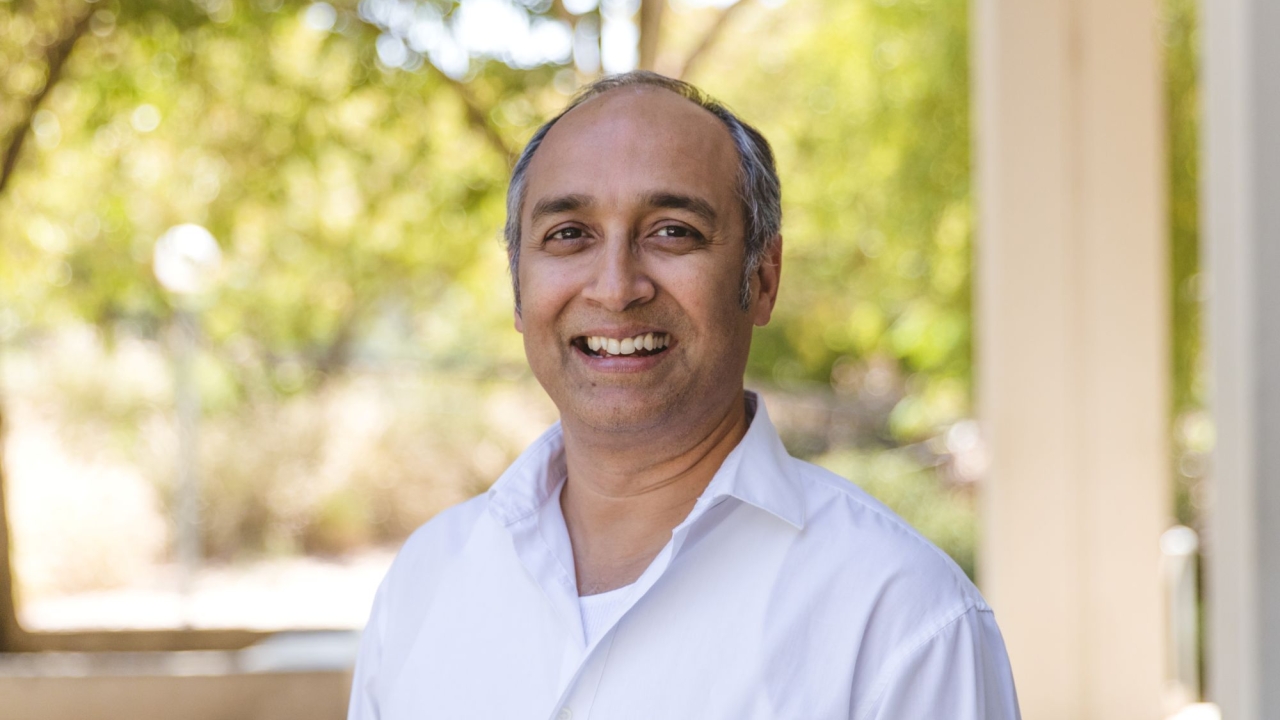
Across four classes, I explored medical devices and tissue engineering. I was introduced to ongoing research in Aggie Square and assigned a lab to shadow. I shadowed in the Laboratory for Cell Engineering, led by Assistant Professor of Biomedical Engineering Jinhwan Kim, and learned about nanosensors capable of detecting natural killer cell activity using non-invasive in vivo imaging systems. Through my lab shadow experience, I learned the practical skills needed for wet labs and the current technology used in cancer treatments.
What Hands-On Learning Looks Like for Undergraduates at Aggie Square
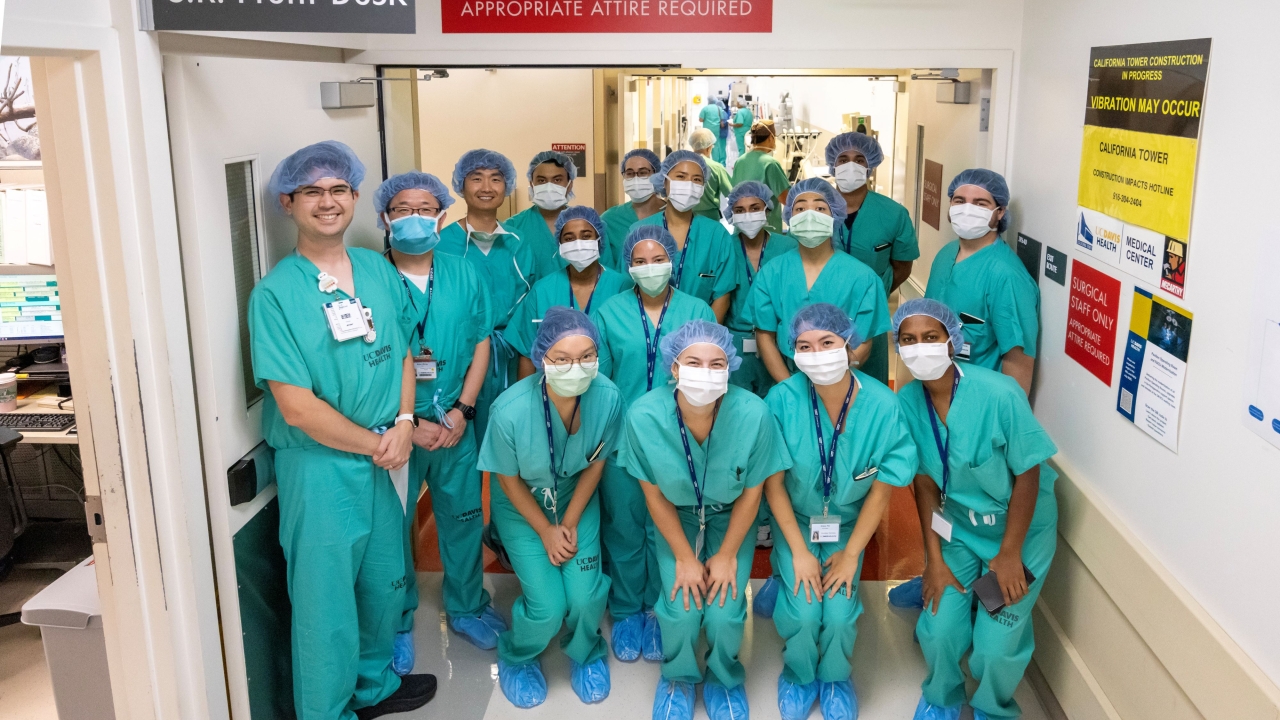
One of the things that drew me to this program was the chance to do something beyond what my major classes could offer. College classes give a great foundation for fundamental principles, but they do not provide a lot of hands-on opportunities for students to apply that knowledge. This program gives those opportunities. As part of this program, our cohort shadowed different specializations in the operating room once a week.
After experiencing all the specializations on offer, I had the opportunity to work with surgeons to consult with them about the different clinical needs I discovered and work through their potential solutions. With the assistance of the surgeons and my professors, I created a device for recognizing burn injuries through diagnostic signatures.
My device can inform surgeons of the precise burn depth in burn patients, as I observed that there was no accurate method of depicting burn depth in the operating room. The device is injected into the bloodstream and uses photoacoustic imaging to capture the severity of the burn, offering patients a faster surgery and healing time with a lower risk of infection or rejection of a skin graft (used to treat injuries greater than second-degree burns).
Overall, seeing surgeries firsthand and designing my own solution to a problem I found was a priceless and rare opportunity. Working with such talented people and potentially making their work even more life-changing for their patients was very motivating.
What I Am Taking Away from the Experience

“Biomedical Engineering at UC Davis Health” not only expanded my knowledge of the medical field but also introduced me to like-minded people. I got to meet 11 students from my class. Since the cohort is relatively small, we quickly bonded over our shared interests and worked together on assignments for Quarter at Aggie Square and other classes. This is one of the greatest parts of the program that I am taking away, as taking classes in a small group setting developed a sense of community within my cohort, which is hard to experience in a class of 100-300 people.
Looking back, the most valuable part of this experience for me was shadowing in the operating room (OR). There is nothing that can match what you see and learn in the OR. You have the chance to see every department in the OR, and it is one of the best ways of seeing the newest medical devices on the market.
I saw ongoing clinical trials in neurology to develop better brain tumor tracking in the brain and observed new technology being applied, such as spinal rods for spine support and realignment. Shadowing in the OR, specifically during the orthopedic surgery I observed, where a rod was realigned to aid in tibia healing, helped me choose the pathway I want to pursue for the rest of my degree, which is biomechanics and medical device development.
If someone had told me the experiences I would have with this program by the end of it, I would not have believed them. It provides experiences that are simply unavailable otherwise and is truly a special privilege every biomedical student should consider.