Blog: Rediscovering My Path as a Future Engineer and Surgeon

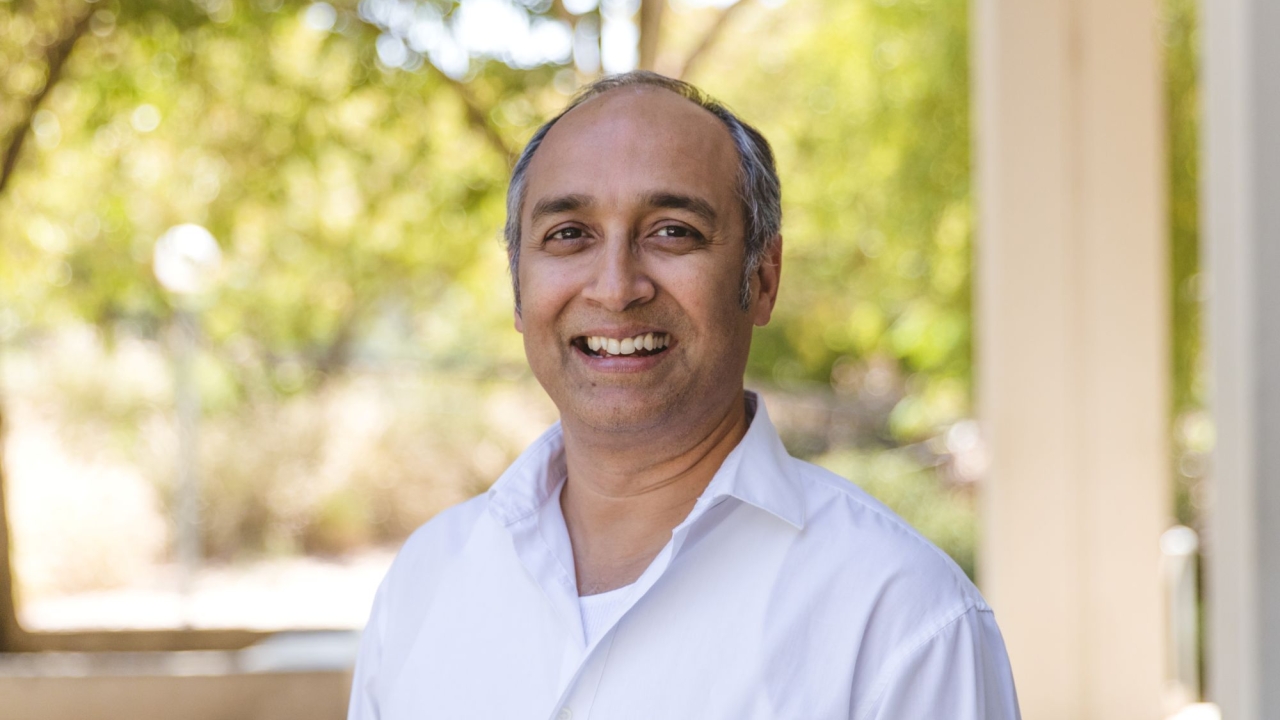
Meet Aaleesha Doshi
I am a third-year undergraduate biomedical engineering student on the pre-medical track. I’m currently part of the Bioinnovation Group at UC Davis, a student-led research community passionate about biotechnology.
I chose biomedical engineering at the University of California, Davis, because I believed it was the perfect intersection between my love for engineering —something I have had ever since I received a 3D printing pen for my birthday during eighth grade — and my goal to become a surgeon.
However, during the first two years of college, I felt a divide between my engineering coursework and my pre-med prerequisites. Especially in my second year, I often took classes that had no apparent relation to one another. I understood that I needed these classes to create useful biomedical devices, but it seemed that pursuing both the engineering and pre-med pathways was more taxing than rewarding.
I was losing my motivation to become both a biomedical engineer and a doctor.
How Quarter at Aggie Square Deepened My Passion for Biomedical Engineering
Hearing about the Quarter at Aggie Square program’s biomedical engineering experience changed my perspective. I first learned about the program from a former student who spoke passionately about shadowing in the operating room at UC Davis Health while identifying user needs to help surgeons and patients.

While writing my application, I felt my passion for biomedical engineering return, and thankfully, it only deepened after I was accepted into the cohort of 12 students for my third-year fall quarter.
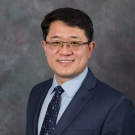
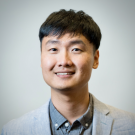
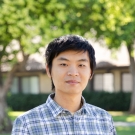
I have gained immense clarity on why I want to be a doctor and an engineer through the “Biomedical Engineering at UC Davis Health” experience led by Professor Aijun Wang, Assistant Professor Jinhwan Kim and Assistant Professor of Teaching Xianglong Wang.
Before BIM 180 — “Clinical Needs in Healthcare Settings,” one of the program’s four courses, I had never realized how many devices doctors use in the operating room or how devices can drastically alter surgery procedures and outcomes.
The first surgery I observed was a cranial burr hole creation using laser ablation. Before the use of laser ablation for glioblastoma tumors, doctors would have to perform open brain surgery, but because of navigation systems and laser technology created by biomedical engineers, these patients experience reduced recovery times and higher survival rates.
I was also able to see a wide variety of surgery specialties, including pediatric urology, neurology, burn, plastic and vascular. Every Wednesday, after watching surgeons work together with their team to help patients, I left UC Davis Health buzzing with passion, imagining myself in their shoes, contemplating what devices I could create to aid them in providing the best care for their patients in the future
The Value of Learning from Engineers and Doctors
In addition to shadowing in the operating room, Professor Wang and Assistant Professor Kim invited doctors, residents and researchers from various departments to speak to us about their careers and current work. I learned about diverse avenues within biomedical engineering, such as stem cell research, nanoparticle drug delivery and imaging innovations, as well as the classic devices that epitomize biomedical engineering, like catheters and prosthetics.
Quarter at Aggie Square not only taught me what biomedical engineering is but also allowed me to experience it firsthand. The knowledge that would have taken me several years and many classes to obtain was encapsulated into a single 10-week experience.