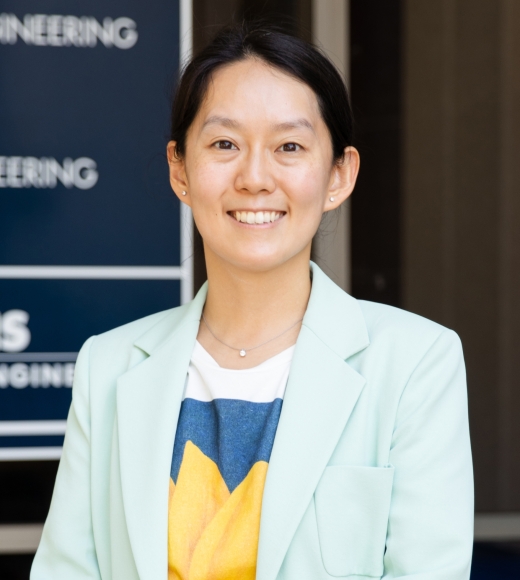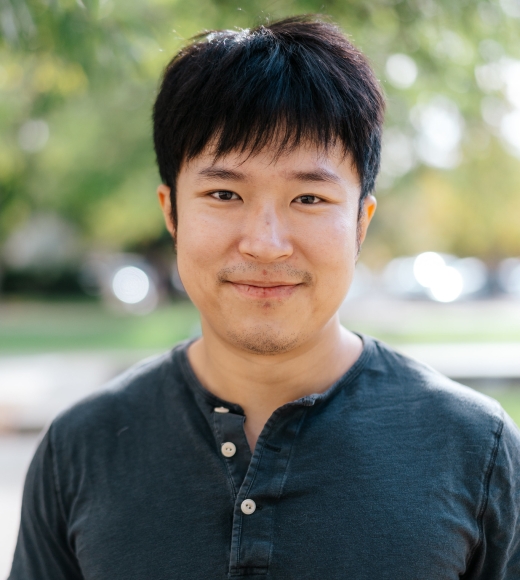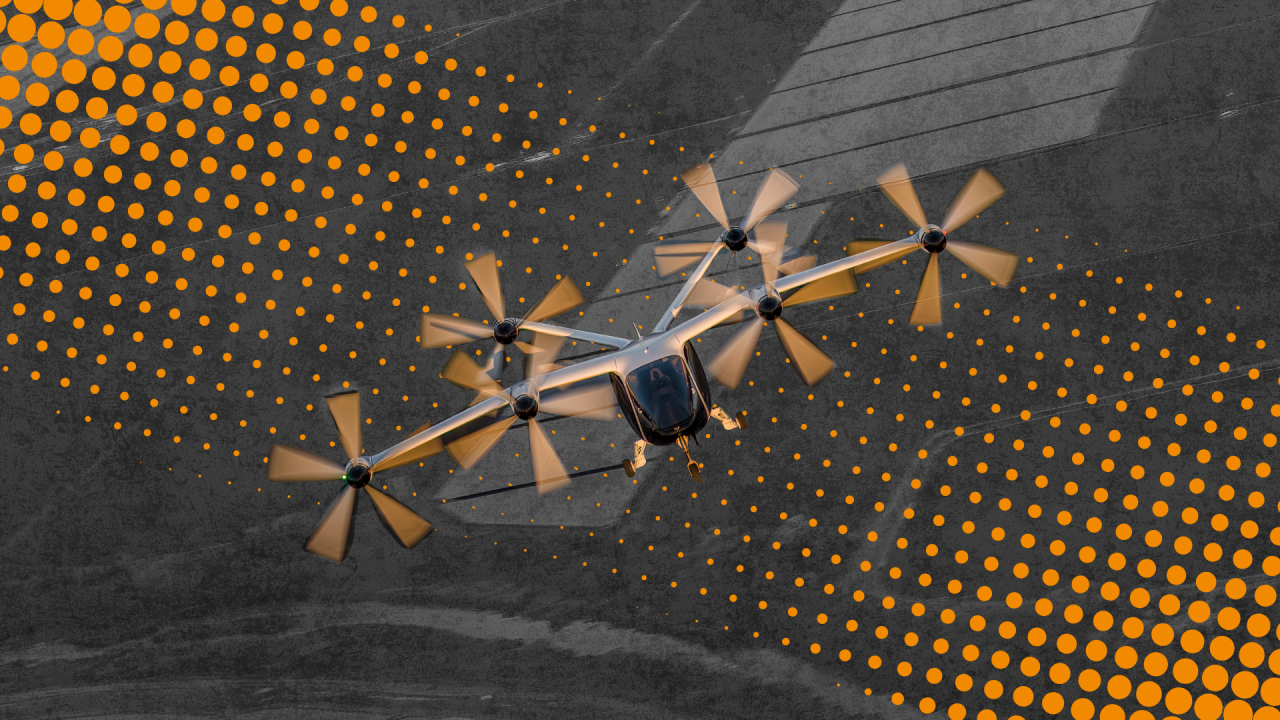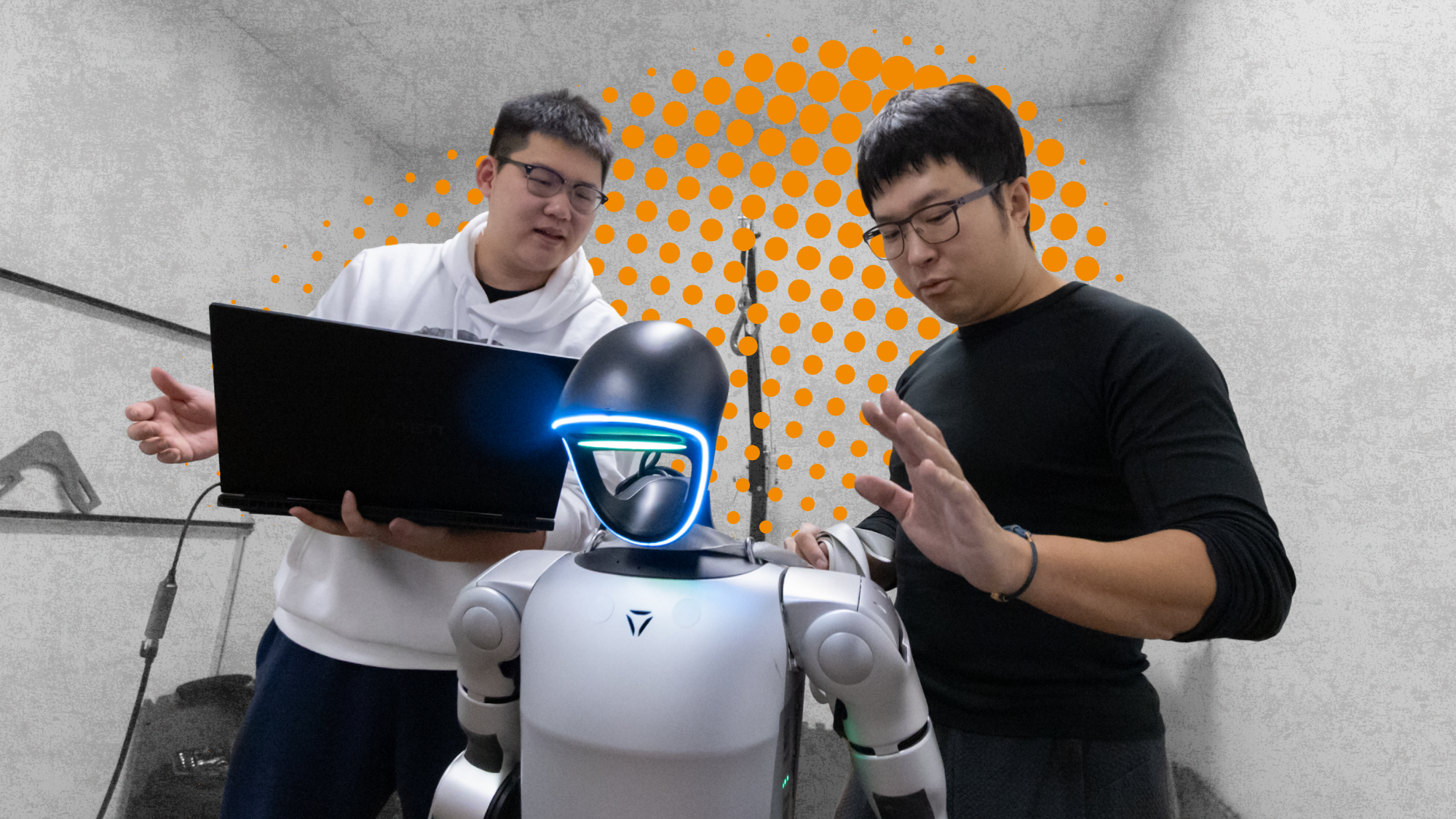
Early-career faculty members are engineering a bold future with grand research visions at UC Davis. (Mario Rodriguez/UC Davis)
by Matt Marcure & Jessica Heath, videos by Mario Rodriguez | Engineering Progress Magazine 2025
Before the turn of the millennium, people predicted this century would bring medical advancements that would function like a fountain of youth and artificial intelligence models as efficient as the human brain.
Now, a quarter of a century in, these bold ideas are beginning to become reality, thanks in part to visionary efforts from early-career researchers in the College of Engineering at the University of California, Davis.
From discovering medical interventions for rejuvenating cellular health to building 3D printers that use sound to bypass physical barriers, meet eight assistant professors who dare to put “non” between science and fiction with transformational research outcomes that engineer the world of tomorrow, today.
Reprogramming Microbes for a Cleaner Tomorrow
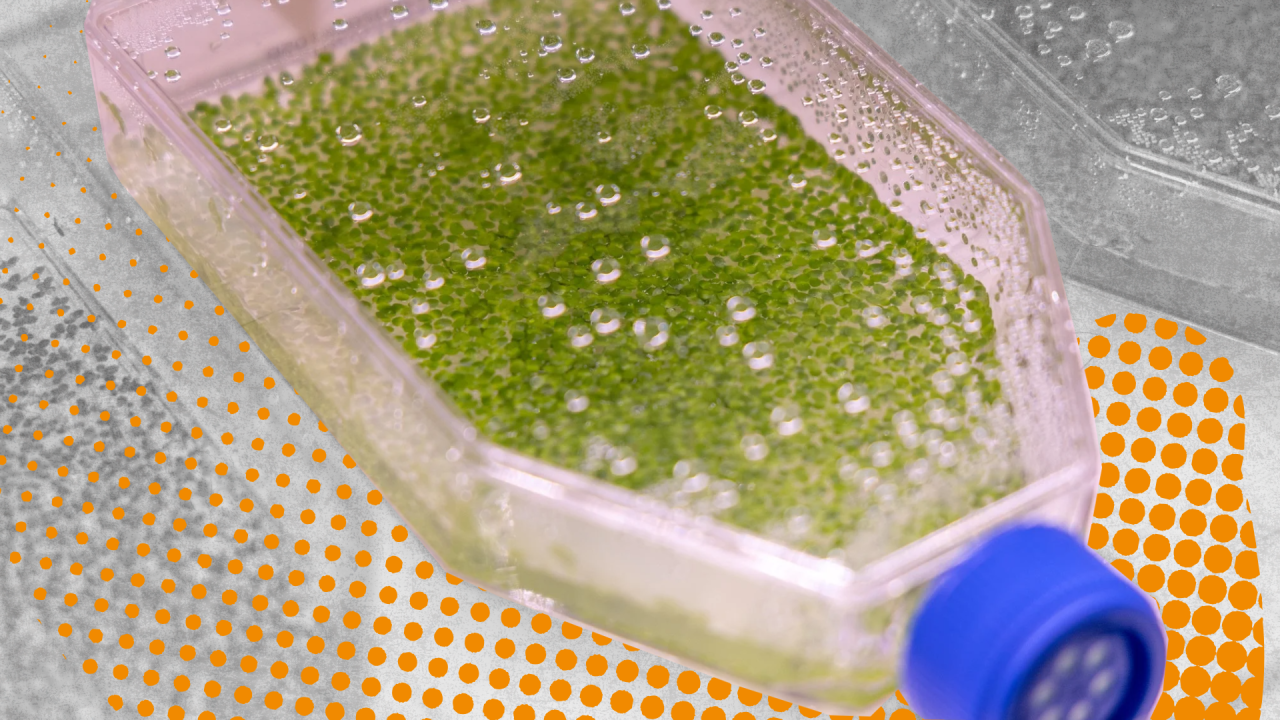
The natural world is already brimming with expert chemists, such as bacteria or yeast. Through metabolic engineering and synthetic biology, Assistant Professor of Biological and Agricultural Engineering Yi Wang is supercharging the potential of microbes to recycle waste and make cleaner, renewable resources. In one of several ongoing research projects, Wang is working on engineering bacteria that can convert waste methane into a fossil fuel-free plastic, or, in another effort, biochemicals that will serve as the basic building blocks for new vitamins and antibiotics. His efforts show that the power of tiny, engineered microbes will play an outsized part in a clean and resilient future.
Engineering a Fountain of Youth
Assistant Professor of Biomedical Engineering Aidan Gilchrist is working toward a future where medical interventions can help turn back the biological clock. He studies the mechanisms of cellular aging using hydrogels, a biomaterial composed of molecules that can absorb water and mimic human tissue. With these hydrogels, Gilchrist can probe into what makes a cell youthful or aged, and ultimately, how old cells can be rejuvenated through engineered tissues to overcome age-related complications, such as weakened immune systems.
Computing New Possibilities
The idea that there are untestable, and therefore unknowable, things in the universe will become a problem of the past. Shirley Ahn, an assistant professor of chemical engineering, has created a method for predictive computational simulations that is both mechanistically informative and scalable to any complex system. From showing how tarantula venom might be helpful for pain management to exploring, at the atomic scale, how enzymes can convert methane, Ahn’s work is remodeling the idea of what is and isn’t computable in science and engineering.
Ensuring a Water-Wise World
As a future where water might become a scarcer resource approaches, Assistant Professor of Civil and Environmental Engineering Casey De Finnda is working to close the loop on wastewater management by enabling water reuse and resource recovery. His research currently focuses on exploring how desalination membranes can be repurposed to enhance water recovery, making wastewater a viable source for drinking water.
Defining Digital Landscapes
Assistant Professor of Computer Science Alexander Gamero-Garrido works to reify the internet through exploring the intersection of computer networking systems and public policy, from analyzing network connectivity and performance and community institutions like libraries and schools to shining the spotlight on authoritarian regimes that wield network access to curb influence over poorer countries. By building tools that reveal how online data moves and how decisions made online influence what people see, Gamero-Garrido is working toward both defining and building a transparent internet that is fair and accountable for all.
Deepening Our Understanding of AI
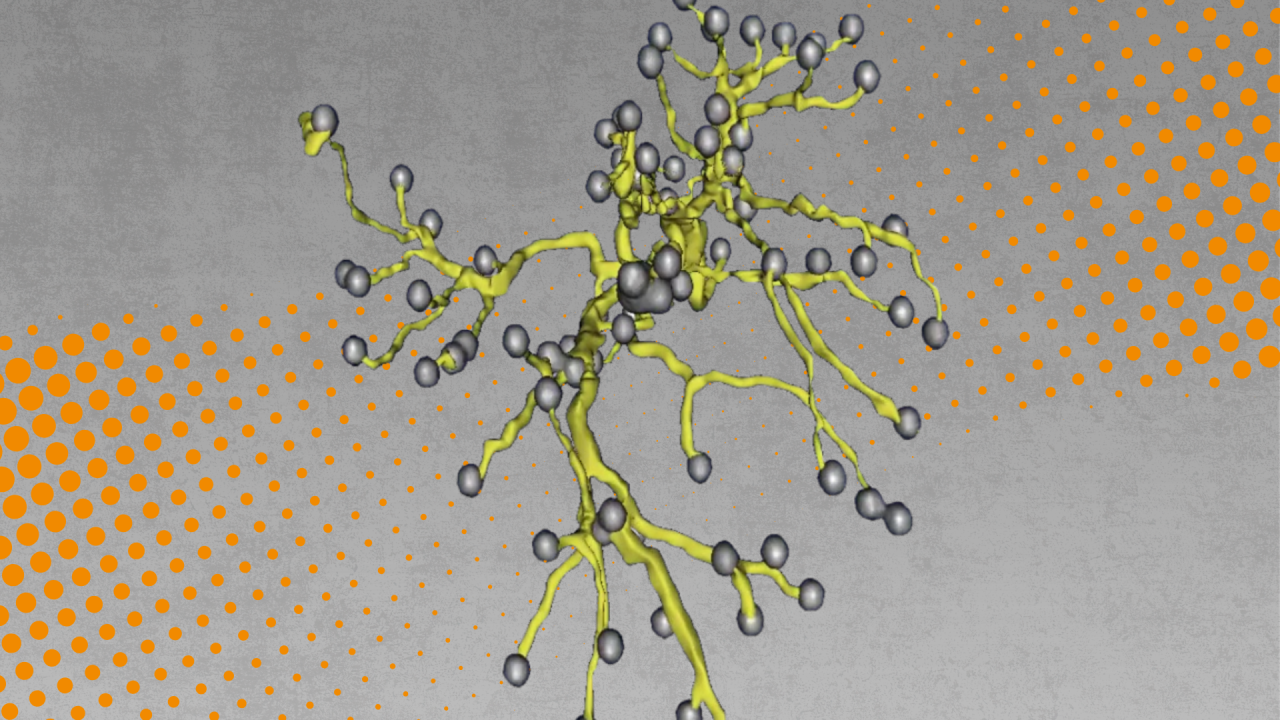
The advent of artificial intelligence is already here, but the principles governing how learning works — both for AI models and the human brain — are poorly understood. Assistant Professor of Electrical and Computer Engineering Yubei Chen is working to uncover the fundamental mechanics behind learning and intelligence. If a systematized framework for learning can be achieved, Chen can engineer new AI models with greater efficiency, effectiveness and adaptability. His ultimate goal is to ensure that AI is a tool that everyone can use, and he believes this can only occur by making AI as energy-efficient as the human brain.
Making Sustainability More Concrete
Erika La Plante, an assistant professor of materials science and engineering, is developing a framework to understand mineral-fluid interactions to create a greener planet. Her work focuses on decarbonizing construction, from sustainable cements and metal extraction techniques to carbon removal technologies, ensuring that critical resources are sourced safely and enabling the development of durable carbon storage materials to support climate-resilient infrastructure and a more sustainable future.
3D Printing the Unthinkable
Imagine an operating room where doctors and technicians can repair a broken bone without making an incision — that’s the future promised by a groundbreaking 3D printing technique developed by Mohsen Habibi, an assistant professor of mechanical and aerospace engineering. Known as holographic direct sound printing, Habibi’s technique uses high-acoustic pressure soundwaves to project a holographic image and remotely print a version of the image in a polymer material. Beyond applications in human health, it may prove instrumental in establishing long-distance space travel due to its ability to remotely make repairs.

This article was featured in our digital edition of Engineering Progress Magazine.
Read more stories.