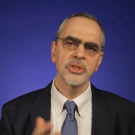
In a recent Labs to Lives video, Professor of Computer Science Vladimir Filkov details his multidisciplinary NSF-funded initiative, which develops AI algorithms and software analysis tools to help open-source software projects stay on sustainable trajectories. These projects are an integral part of innovation in the digital landscape.
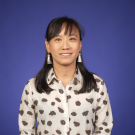
In a recent Labs to Lives video, Assistant Professor of Biomedical Engineering Audry Fan discusses how continued research support from the National Institutes of Health is critical for advancing dementia care, such as earlier diagnosis and improved treatments for Alzheimer’s.
Professor of Biomedical Engineering Ramsey Badawi led a team of UC Davis researchers to develop the world’s first total-body PET scanner. The scanner is much faster and safer than traditional PET scanners, allowing children to receive their scans without the need for sedation or anesthesia.
Cheemeng Tan, a professor of biomedical engineering, leads an interdisciplinary and multi-campus research team working on a method for room temperature storage of cellular therapies, aiming to make the life-saving potential of these therapies much more accessible and cheaper than ever before.
UC Davis researchers are partnering with Mango Materials to make sustainable plastics derived from waste methane more affordable, combining university research, industrial-scale biomanufacturing and workforce training to advance the growing industry.
Researchers found that the structure and composition of materials can dramatically increase how often fusion happens at low energies. With a better understanding of the mechanism behind that effect, we may eventually be able to design materials that improve neutron sources or other fusion-based technologies.
UC Davis researchers have received a nearly $4 million grant from the National Institute of Environmental Health Sciences to develop the world’s first standardized method for measuring and describing the neurotoxicity of nanoplastics inhaled as part of air pollution.
Biomedical engineers at UC Davis have developed a platform to isolate the surface proteins of extracellular vesicles, the body’s biological messaging system. This research is a significant step toward building tools that transform extracellular vesicles into next-generation drugs for cancer and other diseases.
Research led by UC Davis Professor of Biological and Agricultural Engineering Isaya Kisekka is using real-time data and smarter irrigation strategies to keep farms productive while safeguarding California’s long-term agricultural resilience.
Associate Professor of Biomedical Engineering Emilie Roncali is developing a digital twin to provide more precise and effective care of liver cancer, thanks to funding from the National Cancer Institute. She envisions this research as a model of the future, where personalized replicas of the human body facilitate and improve medical care.