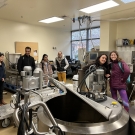
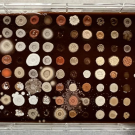
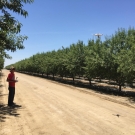
The UC Davis student branch of the ASABE hosted the organization’s Annual Student Rally for California and Nevada in January, where students learned about today’s agricultural industry, from producing high-protein almond milk to gene editing for essential crops to heritage sheep breeding.
The U.S. Department of Energy, or DOE, has selected a University of California, Davis, collaboration to receive $1.98 million in funding as one of 49 projects aimed at decarbonizing the industrial sector and moving the nation closer to a net-zero economy.
The University of California, Davis, is leading the establishment of a new Integrative Center for Alternative Meat and Protein, or iCAMP. The center will work toward large-scale commercialization and technological advancement of alternative proteins, including cultivated meat (from animal cells grown in large fermentors), plant- and fungal-based foods, and innovative hybrids that combine conventional meat products with alternative proteins.
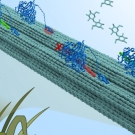
Research led by University of California, Davis, sheds new light on how to access the sugars locked up in plant materials to convert byproducts into new feedstocks to produce fuels, materials and chemicals.
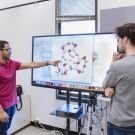
As researchers look for new ways to help slow a changing climate and mitigate the effects of a fossil fuel-based energy system, UC Davis professor Ambarish Kulkarni and his team of researchers are using chemical engineering to find sustainable solutions.
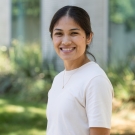
Equatic, co-founded by UC Davis materials science engineer Erika La Plante, was recognized for its cutting-edge technology that removes carbon dioxide from the atmosphere and creates hydrogen, a clean energy alternative.
Yeast grown on almond hulls could be a new, sustainable route to produce high-protein animal feed from an agricultural waste product, according to research from UC Davis published Nov. 15 in PLOS One.
A dozen early-career faculty members at UC Davis have been named to this year's Hellman Fellowship, a program to help propel their work to the next level. One faculty member selected is Shamim Ahamed, an assistant professor of biological and agricultural engineering.
Researchers at the University of California, Davis, have developed a web application to help farmers and industry workers use drones and other uncrewed aerial vehicles, or UAVs, to generate the best possible data.
RePurpose Energy, founded by a UC Davis engineer, is recognized as Comstock’s startup of the month for taking retired batteries from electric vehicles and converting them into storage for renewable energy sources like solar and wind.