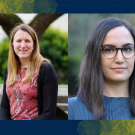
The American Association for the Advancement of Science has elected Raissa M. D’Souza, associate dean of research for the College of Engineering at UC Davis, to its 2024 class of fellows for her distinguished efforts to advance science and its applications.
The regional magazine has recognized Davis-based company Elve for its pathbreaking efforts to design and produce affordable millimeter wave amplifiers. The company was founded by Diana Gamzina, a three-time mechanical and aerospace engineering alumni at the University of California, Davis.
Among UC Davis’ top honors, these awards recognize and showcase faculty and staff not just for their expertise but also for their impact across campus, mentorship roles, excellence in teaching and overall public service.
From game nights to university committees, Doreen Joseph, a computer science Ph.D. candidate, fosters belonging and support for underrepresented students, shaping a more inclusive academic experience. Learn how she’s driving change at UC Davis.
This International Women’s Day, UC Davis celebrates the women engineers who are driving change and accelerating action in STEM. From groundbreaking research to mentorship and advocacy, these innovators are forging new paths and creating resources to empower women in engineering.
From human-computer interaction studies to data privacy projects, fifth-year student Bipasha Sengupta has gained hands-on experience while guiding fellow students at UC Davis. Now, as she prepares to graduate, she reflects on how mentorship and research have shaped her journey.
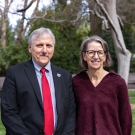
On February 19, College of Engineering Dean’s Distinguished Speaker Rebecca Richards-Kortum presented her talk, “How Can Engineering Address Needs in Low-Resource Settings? Sustainable Solutions for Maternal, Newborn and Child Health,” at the UC Davis Walter A. Buehler Alumni Center.
The Cube³ Lab, part of the Department of Biomedical Engineering, has developed a new course for first-year students to build community as they learn about and find solutions to the issues women face in STEM fields.
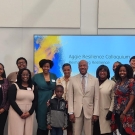
The UC Davis chapter of the National Society of Black Engineers is more than just a club — it’s a community, a support system and a launchpad for success. The organization’s president Xaveria Azodoh shares how it fosters belonging, opens doors to career opportunities and empowers the next generation of Black engineers.